Cost-Effective Education Delivery through Capacity Enhancement: PRANTIC’s Pooled Fund Partnership in Cox’s Bazar
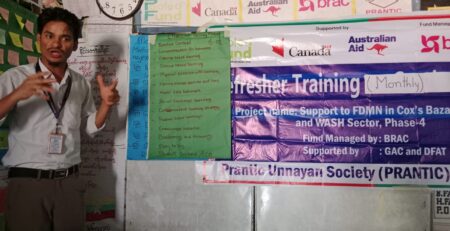
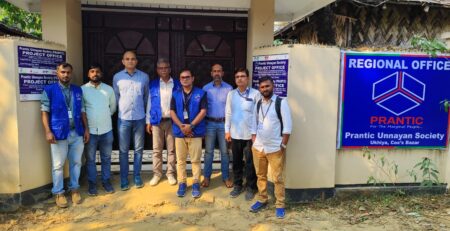
Prantic Unnayan Society (PRANTIC), Bangladesh, has been implementing the education component of the Pooled Fund–supported project titled “Support to FDMN in Cox’s Bazar in Education and WASH Sector” since September 2023, with management and technical support from BRAC. Funded by Global Affairs Canada (GAC) and the Department of Foreign Affairs and Trade (DFAT), the project aims to strengthen access to quality education, livelihoods, and WASH services for the displaced Rohingya population, contributing to improved well-being and resilience within the camps. Among 104 applicant organizations, PRANTIC was selected as one of only seven partners to implement the education component, reflecting strong institutional credibility and field-level capacity.
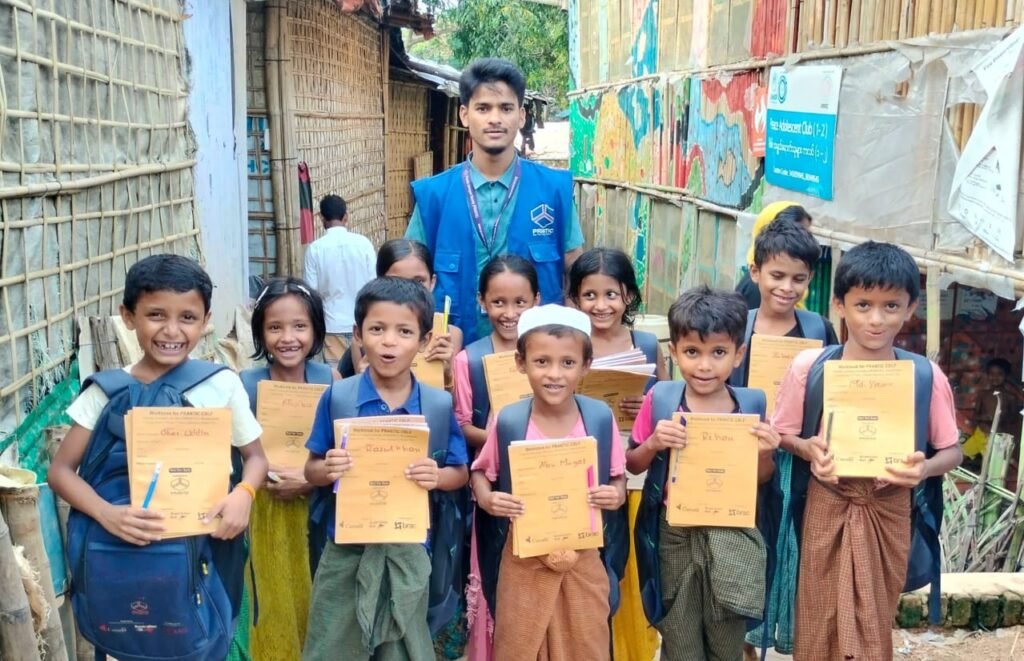
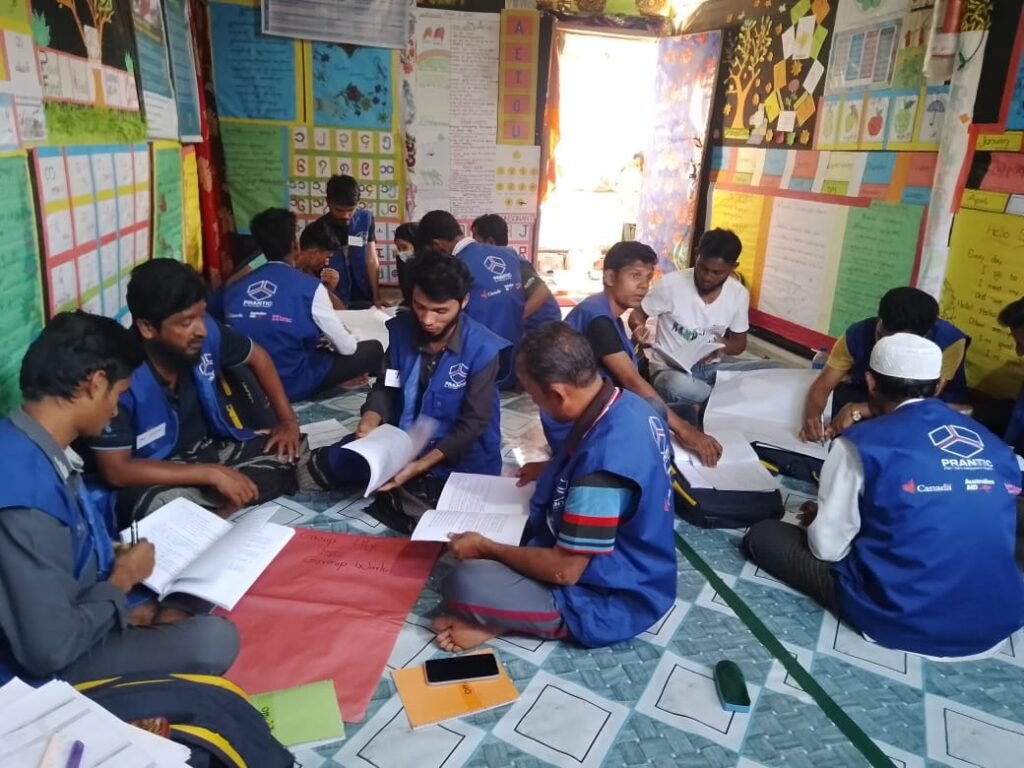
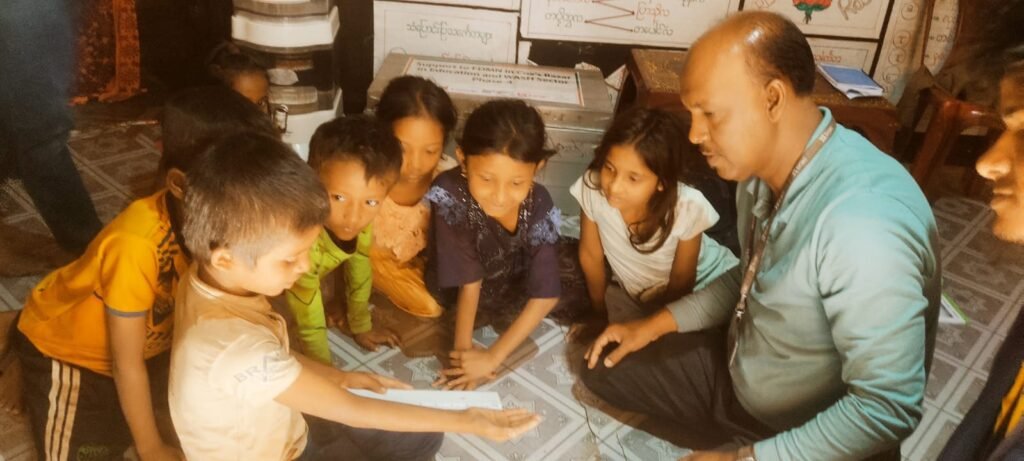
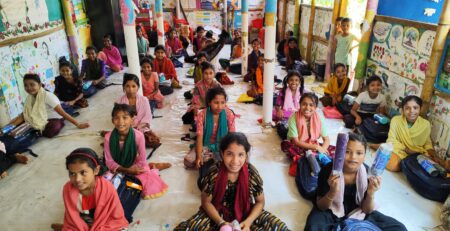
BRAC’s support played a critical role in strengthening PRANTIC’s operational and management systems, including the deployment of a dedicated MEAL Officer and the provision of structured capacity-building support for staff. These investments enabled PRANTIC to establish a highly cost-effective education delivery modality in the Rohingya context. By August 2024, the project successfully enrolled 672 learners, ensuring gender balance with 51% girls and inclusive access with 4% learners with disabilities. Without increasing management costs, PRANTIC further expanded enrollment by 27%, reaching a total of 855 learners by December 2025, including 54% girls and 11 learners with disabilities. This scale-up was achieved by reducing certain operational costs through increased voluntary engagement of parents, traditional leaders, FDMN facilitators, and teachers from the Bangladeshi host community.
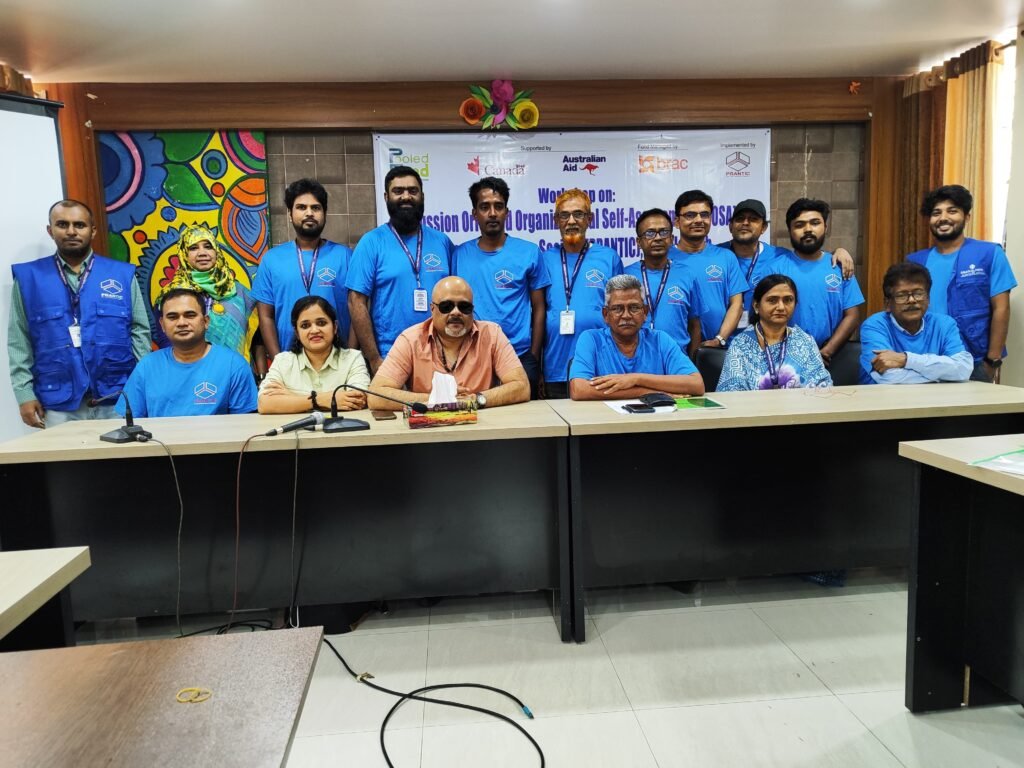
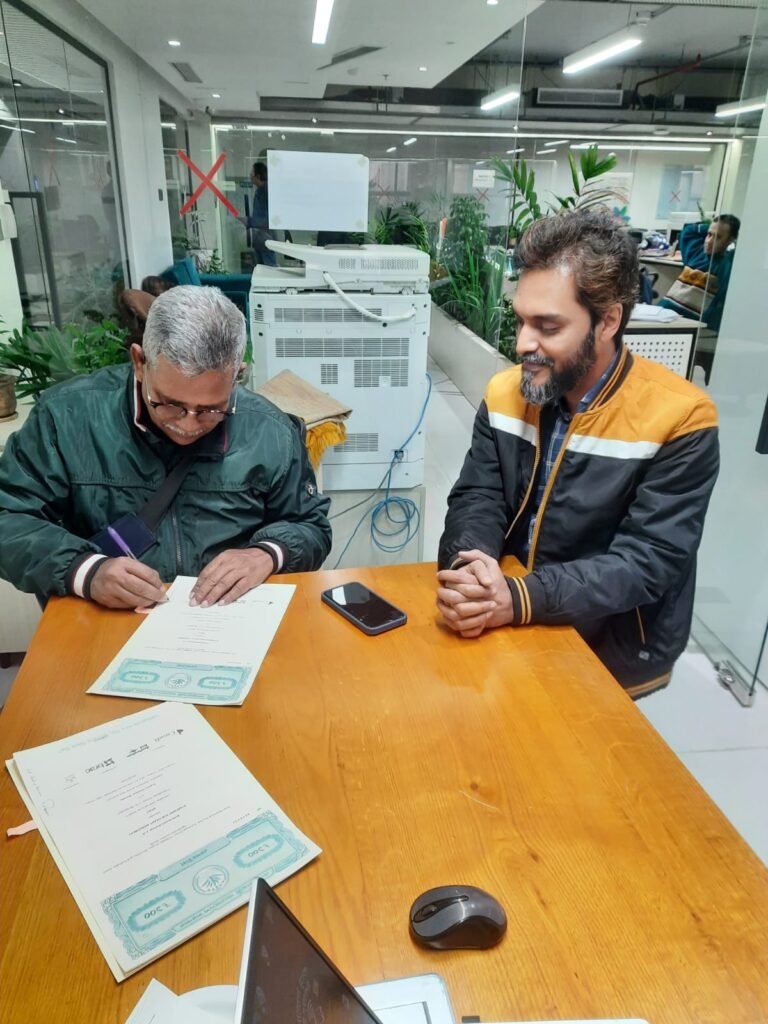
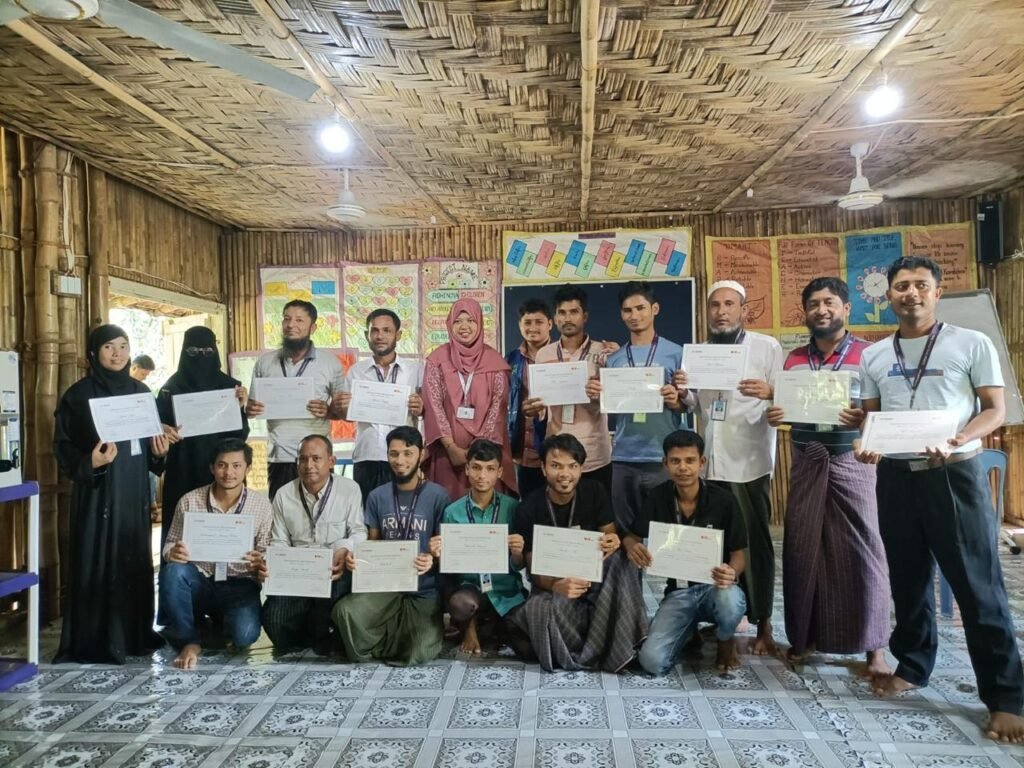
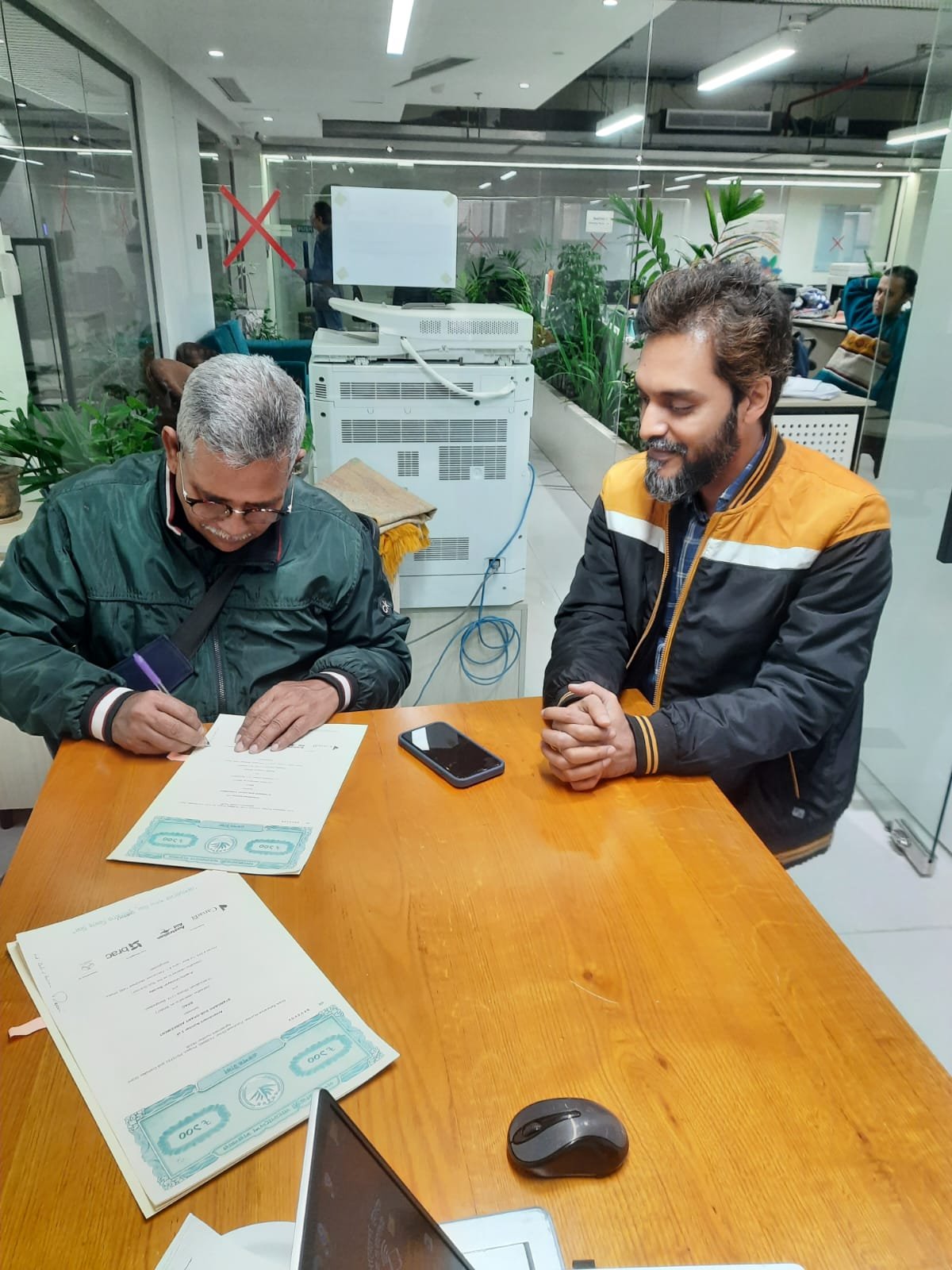
This cost-efficient and community-driven approach significantly enhanced ownership, accountability, transparency, and commitment among staff and program participants alike. As part of the Pooled Fund partnership, PRANTIC developed and revised a total of 20 organizational policies and management manuals, substantially strengthening its institutional capacity and readiness to engage with UN agencies and international NGOs. Recognizing the effectiveness of this model, the project has been extended until June 2026 to align with the academic calendar of the education sector under the Rohingya Response. Leveraging the capacities built through this partnership, PRANTIC has already secured two new international partnerships, marking a critical transition from capacity strengthening to strategic resource mobilization and positioning the organization for broader donor engagement in the coming years.